Apothecaries, Midwives and Folk Healers
The Unsung Guardians of Everyday Wellness
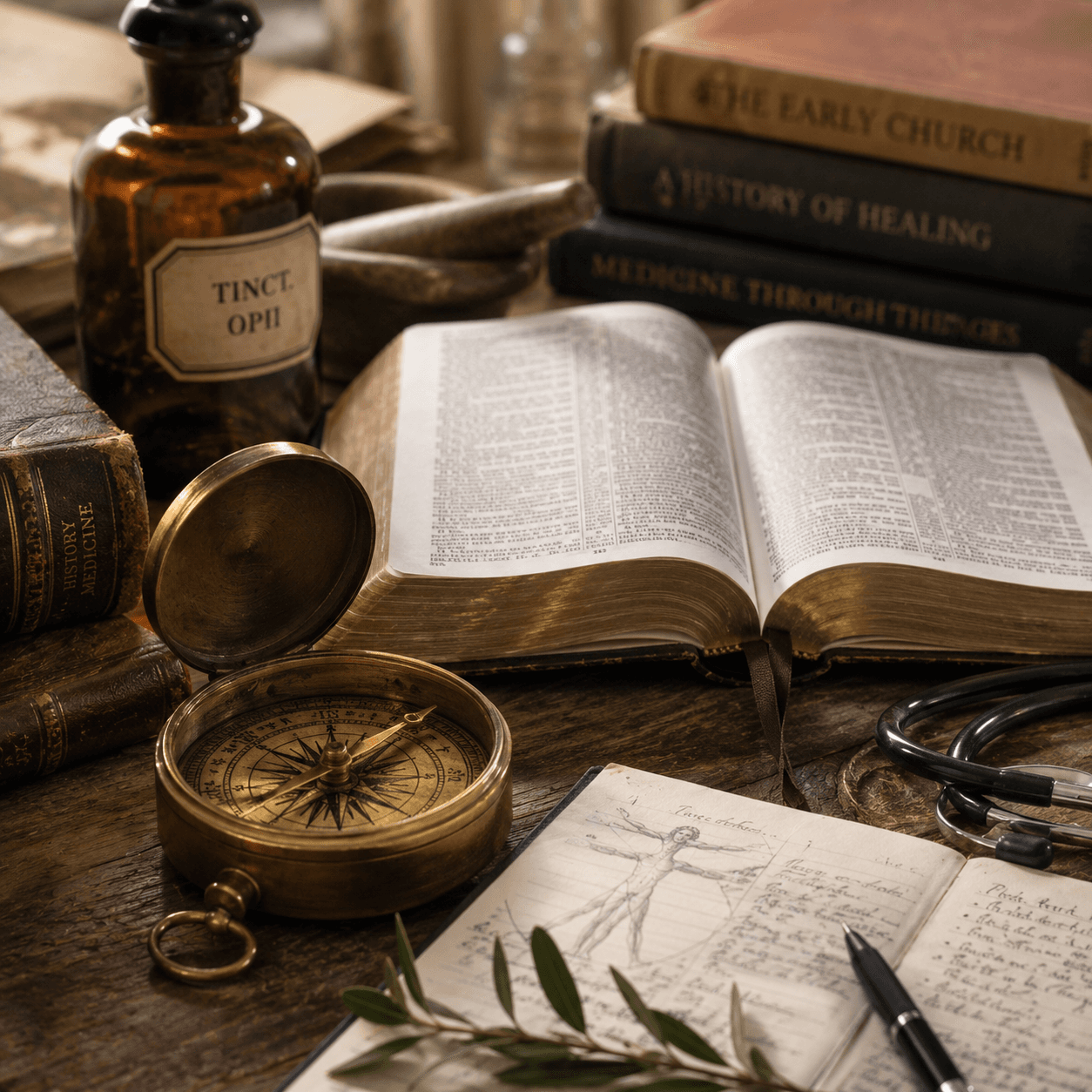
Long before sterile clinics, prescription pads, and sterile white coats, healing came from women with gardens, village herbalists, and traveling apothecaries. These healers worked with their hands and hearts—guided not by licenses, but by lineage, observation, and spirit.
This guide honors the forgotten pillars of natural medicine: the apothecaries, midwives, and folk healers who stewarded health for centuries before being written out of official history.
Apothecaries: The First Pharmacists
Apothecaries were herbal pharmacists long before the word "pharmacy" was coined. Originating in medieval Europe, apothecaries blended science with spiritual insight. They crafted remedies by hand: tinctures, salves, elixirs, teas, and powders. Most worked from home-based shops, where customers could receive both a remedy and personal care.
Apothecaries often:
- Kept meticulous herbal records
- Knew plant energetics and seasons
- Had deep relationships with local growers and farmers
These were not pill-pushers—they were plant whisperers, preserving healing traditions that spanned continents and generations.
Midwives: Women's Healers and Birth Guardians
Midwives were the backbone of women's health from the ancient world through the 1800s. They:
- Assisted births in homes using natural methods
- Treated menstrual irregularities, fertility challenges, and postpartum care
- Created custom herbal blends for pain, infection, and emotional support
Midwives passed down their knowledge orally and experientially, often from mother to daughter. They didn't need textbooks—they had years of observation, wisdom, and touch.
When male-dominated medicine rose, midwives were:
- Called "untrained" or "dangerous"
- Replaced by obstetricians with forceps and surgery
- Pushed out of practice by laws that required male licensure
What was once holy became criminalized—not because it failed, but because it couldn't be controlled.
Folk Healers: Community Roots and Earth-Based Wisdom
Folk healers were the everyday caretakers in villages and towns around the world. Known by names like:
- Curanderas (Latin America)
- Granny women (Appalachia)
- Kahunas (Hawai'i)
- Bone setters, root workers, herb women, and more
They healed with:
- Prayer and scripture
- Plants, clay, water, and food
- Bodywork, touch, and song
Folk healers didn't separate spirit from body. Healing was full-spectrum—what affected the soul showed up in the flesh. They were accessible, affordable, and trusted.
Many were later accused of witchcraft, arrested for "practicing without a license," or labeled superstitious. But their impact echoes in every modern herbal remedy we rediscover today.
What We're Reclaiming
These healers weren't fringe—they were the foundation. Their memory deserves more than a footnote.
We reclaim:
- Healing as a community act, not an institutional service
- Wisdom that is learned by doing, not just by degree
- The right to know our bodies and care for them naturally
To honor these keepers of wellness is to resist the lie that healing must be bought, prescribed, or patented.
Reflection Questions
- Who were the healers in your family line?
- What traditions might they have preserved that still live in you?
- How can we lift up today's community healers instead of hiding them?